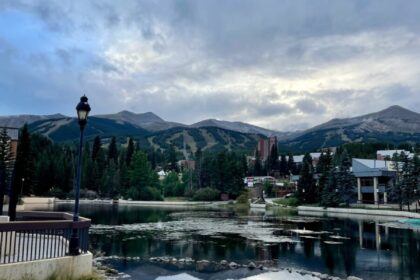
Stand on a granite dome at dawn and the Hill Country comes into focus: live oaks holding the horizon, a granite spine warming to a peach‑hued light, and rivers—clear as glass—threading cedar canyons below. To the east, Austin’s skyline glints like a mirage; to the south, San Antonio’s missions rest in river shade. Between them lies 9 million acres of limestone and legend that Texans simply call the Hill Country. It’s a region where the everyday grammar is geology and hospitality; where barbecue smoke rises near vineyards and dance halls fill with fiddles after sundown. It is also, increasingly, one of America’s most compelling destinations for families, romantics, road‑trippers, and anyone who craves a landscape with texture.
This guide brings the Hill Country into crisp relief—its layered history, its must‑see places, its quiet creeks and luminous caverns, and the ways children (and their grown‑ups) can engage it fully. Come for the rivers and star‑bright nights. Stay for the culture that braided Comanche trails, German town plans, and modern makers into something distinctly, indelibly Texan.
Reading the Land: Geology, Rivers, and Light
The Hill Country sits where the Edwards Plateau shouldered into the Balcones Fault, lifting old seabeds into a hill‑and‑hollow relief that drinks in rain and hides it in karst aquifers. You feel the limestone under everything: in the spring‑fed clarity of the Guadalupe and Frio; in the honeycombed caverns beneath ranchlands; in the pale ledges that make rivers riffle and echo. The Llano Uplift, an ancient granite intrusion, breaks the limestone rhythm with pink batholiths—most famously Enchanted Rock—rising like beached whales from a sea of oak and mesquite.
Water defines how the Hill Country moves. Rivers here are not grand in scale but intimate—swimmable, fishable, paddle‑able. They glint turquoise against white rock and turn bronze under cypress in autumn. After rains, they can surge; on dry years, they whisper. Either way, they’re the region’s pulse, best read from a tube or kayak on a slow afternoon or from a high overlook at daybreak when the world smells like cedar and stone.
A Composed History: From Trails to Town Squares
Before Fredericksburg’s Main Street filled with bakeries and boot shops, before Gruene Hall’s stage bristled with neon and Telecasters, these hills belonged to the Lipan Apache and Comanche who moved along watercourses and grasslands with the seasons. In the mid‑19th century, German immigrants arrived with wagonloads of language, beer recipes, and civic ideals. They laid out tidy towns with a square, a church, a market hall, and a biergarten—New Braunfels (1845) and Fredericksburg (1846) chief among them—and they grafted Old World customs onto Texas rootstock.
The resulting culture is a high‑spirited blend: polka and conjunto, kolaches and brisket, dance halls and deer blinds, frontier stoicism softened by Sunday socials. It is the backdrop to presidential biography as well—Lyndon Baines Johnson’s boyhood, courtship, and political rise are etched into the Pedernales River valley near Johnson City and Stonewall. Walk those ranch roads and you grasp how a place can shape a person and, in its way, how that person could shape a nation.
The Classics: Ten Essential Hill Country Experiences
1) Summit a Pink Granite Moonrise at Enchanted Rock
Of all the Hill Country icons, Enchanted Rock State Natural Area is the most elemental: a 425‑foot pink granite dome whose summit gathers wind, weather, and panoramic views in equal measure. Take the Summit Trail near first light and you’ll feel the hill breathe—a slow‑warming of rock beneath your boots, a meadowlark calling from the scrub, the Llano Uplift unfurling in whispers of blue. The loop trails skirt vernal pools and scrub oak, and after sunset the park’s dark‑sky designation turns the dome into a front‑row seat for the Milky Way. Families: make a tradition of the summit selfie; scouts of all ages will love identifying constellations once the sky goes indigo.
Tip: Spring and fall weekends book fast; go midweek or at dawn. Bring grippy shoes (the granite can be slick when wet) and water for every hiker.
2) Float the Guadalupe or Frio—Choose Your Mood
The Guadalupe is the Hill Country’s social river: lively on summer weekends, lazy and luminous on weekday mornings, edged with limestone shelves made for picnics. The Frio, farther southwest, is cooler and more contemplative as it slips beneath bald cypress and pecan through canyons that gather bronze light at day’s end. Both rivers are excellent for tubing, wading, and paddling. Many outfitters and state parks provide easy access and shuttle services; gauging flow conditions before you go is part ritual, part prudence.
Tip: With kids, aim for weekday floats, shorter segments, and wide‑brimmed hats. Stash water shoes and a dry bag with snacks, sunscreen, and a spare towel.
3) Dance Where the Boards Remember—Gruene Hall & Friends
Built in 1878, Gruene Hall is Texas’s oldest continually operating dance hall and a temple to the art of two‑stepping. Its high‑pitched tin roof and slatted walls hold a century‑and‑a‑half of music—from longneck‑clinking afternoon sets to jam‑packed night shows where legends and locals share the bill. Elsewhere, Austin’s Broken Spoke, Blanco’s Twin Sisters Dance Hall, and the tiny stage in Luckenbach keep the kinetic core of Hill Country culture alive.
Tip: Family‑friendly daytime shows are common; kids learn the basic step faster than you think. Pack cash for the bar and the tip jar.
4) Caverns, Bats, and the World Below
The Hill Country is hollow with wonder. At Natural Bridge Caverns, chambers bedecked with flowstone and soda straws unfurl beneath a limestone bridge; above ground, ropes courses and mazes give kids a place to burn post‑tour energy. Nearby, Bracken Cave’s summer bat flights cloud the dusk with astonishing life. In Burnet County, Longhorn Cavern State Park pairs CCC‑era architecture with a cool underground ramble—a perfect double feature with a picnic under live oaks. In Boerne, the Cave Without a Name stages candlelit concerts in rooms rimed with calcite—an acoustical experience as rare as it is beautiful.
Tip: Caverns keep a constant chill (around 70°F). Bring a light jacket and wear grippy shoes; strollers aren’t ideal underground, but baby carriers are.
5) The LBJ Country Drive—History on a Two‑Lane Loop
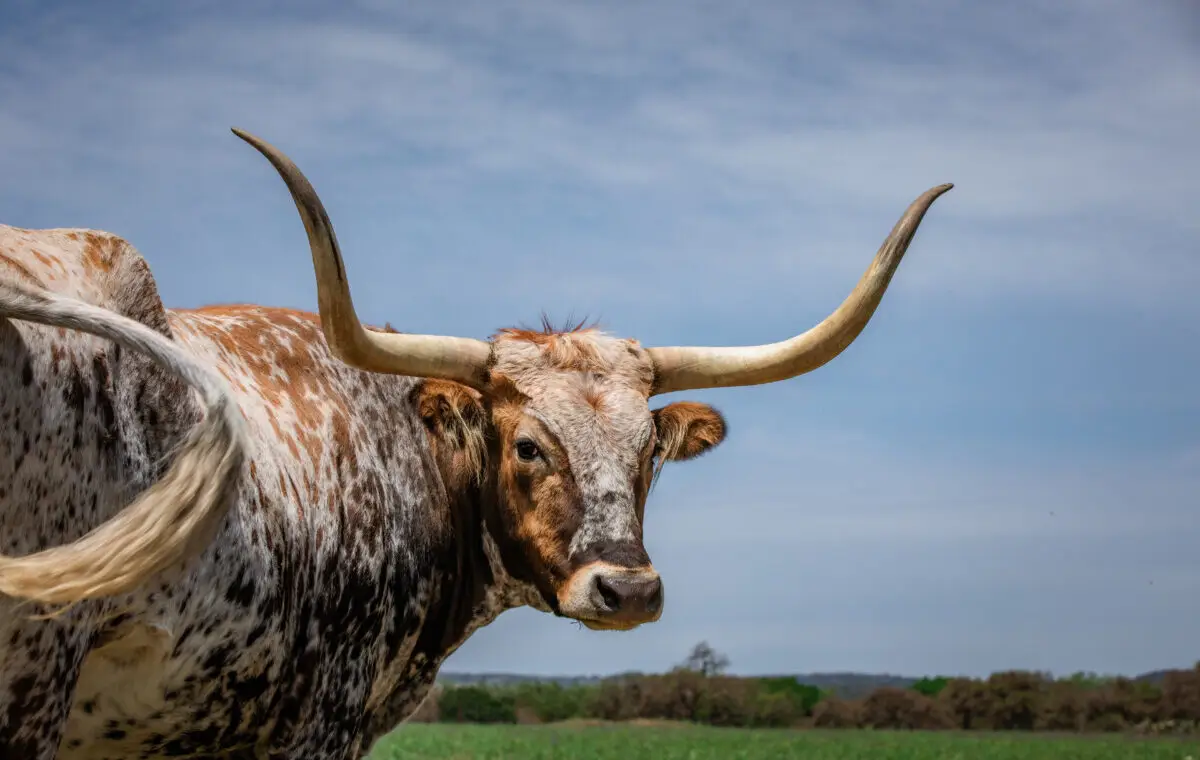
Start in Johnson City at the Lyndon B. Johnson National Historical Park visitor center. Tour the boyhood home, then follow US‑290 west to LBJ State Park & Historic Site, where Texas longhorn and American bison graze near the Pedernales and costumed interpreters stir pots at the Sauer‑Beckmann Living History Farm. Cross the river to the LBJ Ranch, the “Texas White House” complex where public service felt as immediate as the whir of a propeller on the ranch’s airstrip. This is a drive where kids can connect history to habitat, presidents to places.
Tip: Days are easily filled here. Picnic under cottonwoods or spend a night in Fredericksburg to fold in museums and supper on Main.
6) Wildflowers in Stereo: The Willow City Loop & Lady Bird’s Legacy
In spring, the Willow City Loop unfurls like a ribbon through old geology and new bloom—bluebonnets, firewheels, primrose, paintbrush. In Austin, the Lady Bird Johnson Wildflower Center interprets native plants beautifully through family‑friendly gardens and seasonal exhibits. Together they stitch a fabric of color and conservation that defines the region’s springtime mood.
Tip: On roadside loops, respect fences and private property. Pull completely off narrow shoulders when stopping for photos or, better yet, keep rolling and savor the show.
7) The Wine Road and the New Texas Palate
Between Johnson City and Fredericksburg, wineries string Highway 290 like beads—tasting rooms with modern patios, view‑soaked decks, and increasingly serious wine programs. The Hill Country AVA is among America’s largest, and forward‑looking producers lean into Mediterranean grapes that thrive in Texas heat. The experience has matured beyond party buses: book a seated tasting, savor a flight with a cheese board, and linger into the golden hour.
Tip: Many wineries welcome well‑behaved kids with lawns and lawn games—pack a sketchbook or a quiet activity. Designate a driver, and pace tastings with plenty of water and snacks.
8) State Park Triad: Pedernales Falls, Guadalupe River, Lost Maples
Pedernales Falls State Park is kinetic sculpture—limestone pour‑overs and chutes where a river rearranges itself after every big rain. Downstream, Guadalupe River State Park is about access: broad river shallows for wading, a family‑friendly paddling trail, and shaded camp loops. West, Lost Maples is autumn personified, its bigtooth maples turning the canyons to copper and ember while the Sabinal River whispers below.
Tip: Reservations for day‑use and camping are wise—essential on fall and spring weekends. Check river conditions, closures, and swim policies before you go.
9) Family Favorites: Blue Holes, Waterparks, and Wildlife Drives
When the weather tilts toward Texas‑hot, the Hill Country answers. Blue Hole Regional Park in Wimberley is the classic: rope swings, cypress shade, and spring‑cool water. In New Braunfels, Schlitterbahn reimagines river water as play—lazy rapids, tube chutes, and wave pools threaded through pecan shade. For a different kind of creature encounter, drive the Natural Bridge Wildlife Ranch and meet giraffe eye‑to‑eye from the backseat.
Tip: Blue Hole swimming is reservation‑based in summer, with timed entries; Jacob’s Well, nearby, has been closed to swimming in recent years due to low water. Schlitterbahn is massive—arrive early, rent a locker, and choose one “anchor” zone as your home base.
10) Evenings in Small‑Town Texas
Hill Country nights reward lingering. In Fredericksburg, stroll Main Street after dinner for a scoop of peach ice cream and the museum windows still lit; in Boerne, catch a show at the amphitheater or listen for music floating from a courtyard. In Blanco, sunsets stretch long over the courthouse lawn. On any given weekend, some town will be hosting a market day, a fiddlers’ contest, a harvest dinner, or a star party. Ask a clerk what’s on and go where the locals go
Seasons of the Hill Country
Spring brings wildflowers and perfect hiking temperatures. Easter weekend through May requires forethought—park reservations book out, and roadside blooms draw photographers to narrow shoulders.
Summer is river season. Plan swims for morning and late afternoon; siesta during the heat. Afternoon pop‑up storms can spike river flows—check gauges and heed local warnings.
Autumn paints Lost Maples in copper and honey, usually late October into early November. Evenings turn cool enough for fire pits and patio meals under string lights. Harvest festivals dot the calendar from Blanco to Boerne.
Winter is clear‑sky season—wide horizons, empty trails, and unobstructed stargazing. It’s also the best time to linger in museums and tasting rooms, and to secure hard‑to‑get lodging at sensible rates.
Taste & Table: What the Hill Country Eats and Drinks
This is Texas, so smoke follows you—in the best possible way. But the culinary landscape has evolved as quickly as the tasting‑room scene. Think smoked‑meat plates alongside Hill Country olive oil, country breads, chèvre from a few ridgelines over, and produce from farm stands that ring Fredericksburg and Stonewall in summer.
BBQ Pilgrimage: From Llano’s iconic pits to small‑town joints that serve until the meat runs out, brisket here wears a pepper bark and a point‑cut swagger. Sides tend to the honest: beans, potato salad, white bread meant as a utensil.
Wine, Beer, & Spirits: Wineries along 290 lean into Rhône and Iberian varieties—Tempranillo, Mourvèdre, Roussanne. Breweries pour German‑style lagers with a precision that nods to heritage. Distilleries in Dripping Springs pour flights under live oaks—vodka and gin fresh enough for a grapefruit spritz, bourbons aged into caramel and mesquite smoke.
Roadside Fruit: Summer peaches—freestones if you time it right—define the season; you’ll find them in paper sacks at pop‑up stands beside jars of jam and cobblers cooling behind the counter. Kids learn the meaning of “ripe” in one sun‑warm bite.
Where Kids Thrive: Choose patios with space to move and simple menus. The Hill Country does porches incredibly well—shaded, breezy, and forgiving of spilled lemonade.
Slow Travel, Hill Country Style
The pace here rewards restraint. It’s tempting to ping‑pong from town to town, but the magic arrives when you let a place breathe a little longer. Spend two nights on the Frio, and a child will start recognizing the same great blue heron on evening walks. Sit on a winery patio through sunset, and a couple might recall the first dance they shared at a hall down the road. The Hill Country is made for micro‑rituals: morning coffee on a porch swing, the clink of tubes as a family wades out together, the flashlight safari after s’mores when the live oaks whisper with katydids.
A Week, Well‑Spent:
- Home base east (Dripping Springs or Wimberley) for Hamilton Pool, Pedernales Falls, and day trips to Austin’s art and tacos.
- Three nights central (Fredericksburg/Johnson City) for Enchanted Rock, LBJ, and wine‑country evenings.
- Two nights south (New Braunfels/Gruene) for rivers and dance halls.
- Optional add‑on west (Leakey/Vanderpool/Bandera) for Lost Maples and horseback miles.
Lodging With a Sense of Place
Riverside Cabins & Park Campgrounds: Garner and Guadalupe River State Parks offer the classic Hill Country sleep—canvas of stars overhead, river whispering below. Reserve early.
Historic Inns & Sunday Houses: In Fredericksburg, 19th‑century “Sunday Houses” (tiny in‑town cottages once used by ranching families when they came to town for church) now welcome travelers with porches and tin roofs.
Family‑Forward Ranches: Around Bandera, dude ranches mix trail rides with pool time and campfire lore. Many offer children’s wrangler programs that build confidence in the saddle.
Modern Farmstays & Vineyard Casitas: Across Johnson City and Hye, farmstays pair vegetable rows with bunkhouses, and tasting rooms set aside casitas among rows of vines—sunsets and starfields included.
In‑Town Rentals: For families, a house near a creek‑side trail in Boerne or a cottage within walking distance of dinner in Wimberley simplifies the logistics beautifully.
Responsible Adventure
The Hill Country’s beauty is resilient, but its waters and wildlife ask for care.
- Rivers & Springs: Pack out every crumb. Choose reef‑safe sunscreen. In dry spells, stay off fragile cypress roots and avoid damming side channels with rock stacks. Respect closures at springs—they protect aquifers and public safety.
- Private Land Etiquette: Many scenic roads pass entirely through private ranchland. Do not cross fences or gates; photograph from the shoulder with wheels fully off the pavement.
- Fire Awareness: Drought comes in cycles. Observe burn bans. Use established fire rings and drown your coals until they’re cold to the touch.
- Wildlife: Keep respectful distances. In summer, check shoes for scorpions and watch trailside grasses for snakes, especially at dusk.
Practicalities at a Glance
- Getting There: Austin‑Bergstrom and San Antonio International are the main gateways; rent a car—two‑lane roads are the rule.
- When to Book: State parks and Enchanted Rock day passes can sell out weeks in advance on peak weekends. Wine‑country Saturdays require tasting reservations; go Thursday or Sunday for elbow room.
- What to Pack: Collapsible cooler; reef‑safe sunscreen; brimmed hats; river shoes; binoculars for birds and bats; a light jacket for caverns.
- Navigation: Cell service can be faint on ranch roads. Download offline maps and carry a paper atlas if you’re wandering far.
- Safety: Rivers rise quickly after storms; never camp in a dry creek bed. In summer, take heat seriously—electrolytes, shade breaks, and early starts save the day.
Leaving (and Returning)
By week’s end, you’ll have river stones in the cupholder and peach perfume clinging to the car. You’ll also have a new index of time measured not by meetings but by small rites: the first cold toe‑dip off a limestone ledge; the spill of stars at Enchanted Rock; a child’s laugh swooping from a rope swing; the slow geometry of a two‑step learned in a wooden hall. That is the Hill Country’s sleight of hand—taking the grand and rendering it intimate, then sending you home with the sense that your days can be tuned to a different key.
And when the heat breaks or the maples turn or the bluebonnets begin their quiet work again, you’ll find yourself plotting the next two‑lane return. The hills will be waiting, stone‑sure and river‑bright, happy to run the same beautiful play again—only different this time, and somehow even better.